Bridging Generations
The theme for Holocaust Memorial Day 2026 is 'Bridging Generations'. The Holocaust was, or may seem to be, a long time ago and there are few survivors nowadays to tell us of their experiences of that time. If we cannot bridge the generations, and inspire younger people to remember and care about that event in 'history', maybe the memory will be lost for ever. Does that matter?
When a person loses their memory, they are no longer the same person. Similarly, a nation that forgets is in danger of losing its identity. Whatever nation we belong to, we must remember the events of the Holocaust, record them, acknowledge the violence, abuse, and terror that was inflicted on ordinary people - so that we can do all in our power to prevent such atrocities ever happening again. And we must do this even while we know that in some parts of the world similar atrocities are currently already a reality.
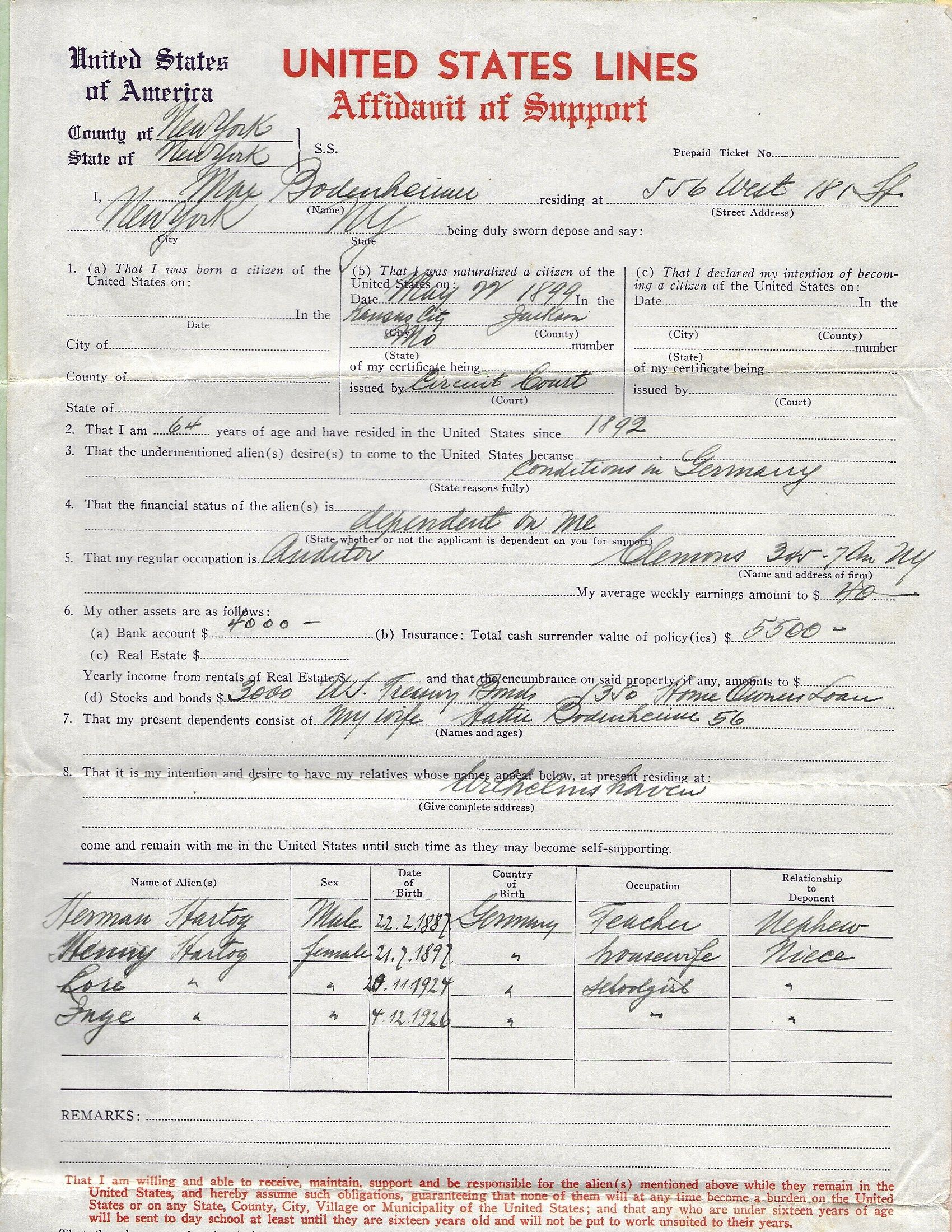
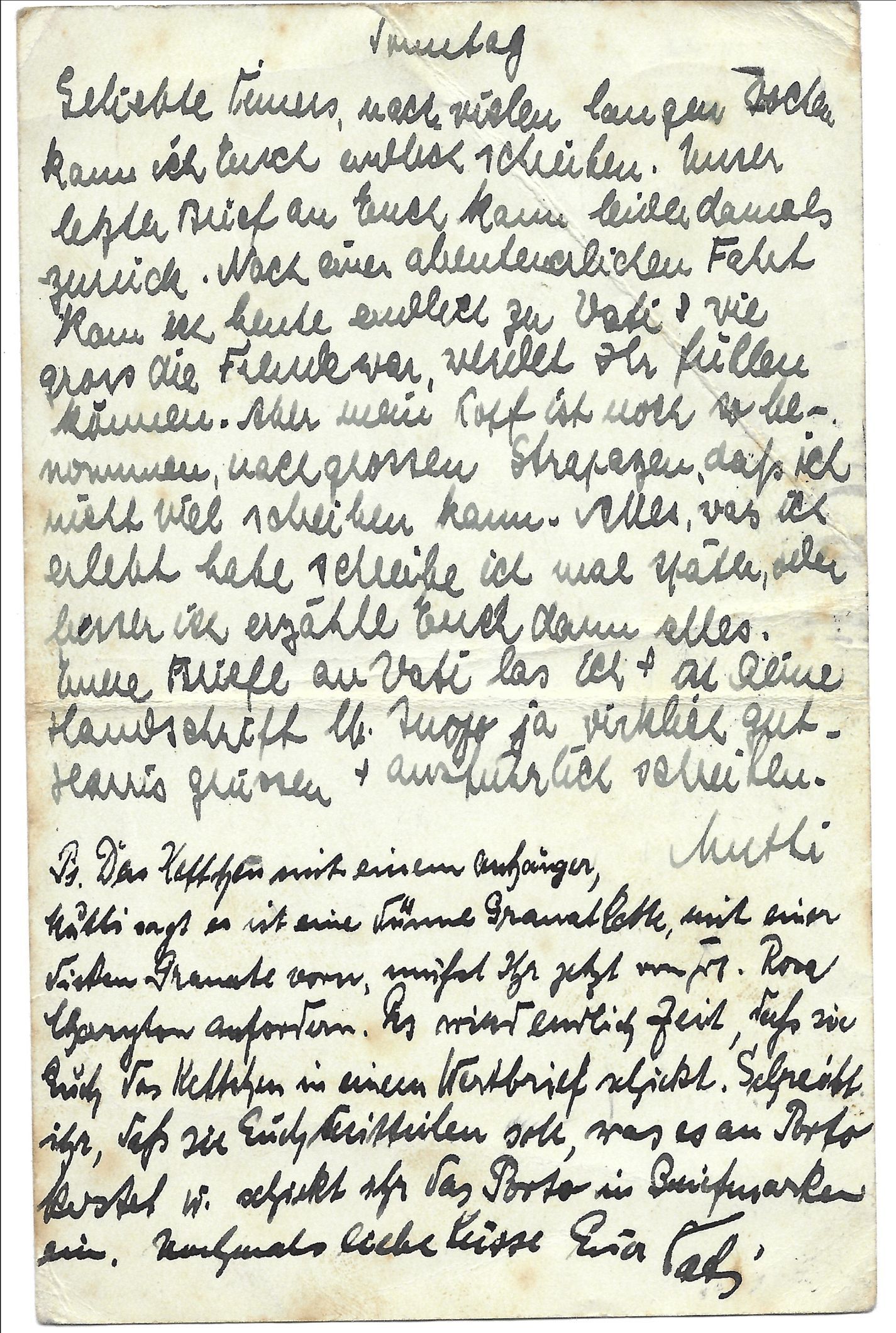
The accounts of survivors, the testimonies of those who witnessed events, and the documents from those who did not survive may be unfinished or fragmentary, but together they build a monument to the memory of people caught up in one of the worst catastrophies that the world had hitherto known.
Creating an active collective memory requires younger people to be part of the memory-making. The need for relevant information and ways of transmitting it to new generations, the participation of young people in establishing a bank of memory against a loss of identity, and their involvement in civic life remains crucial if a nation does not lose its memory and run the risk of repeating horrors from the past.
In Wilhelmshaven in Germany, young people have spearheaded a campaign to remember former members of the Jewish community in their city. Almost a year ago, in February 2025, they successfully had laid in their city 'Stolpersteine' [lit: 'stumbling stones'] in memory of members of five families of the former Jewish community that had been deliberately destroyed by the National Socialist Government in the 1930s and early 1940s. As I write, a new cohort of students is researching, recording, and remembering other families so that those people and their contribution to Wilhelmshaven's civic, cultural, and commercial life is rightly appreciated. Young people such as these who keep alive memories and who are active in their communities will, hopefully, be better equipped and able to act against any rise in right-wing radicalism and protect their country's democracy.
photo: Wilhelmshaven students, their teachers, the artist Gunter Demnig, and representatives of the former Jewish community
after the laying of the last Stolperstein, Thursday 6 February 2025.